

Sativa Cannabis: Meaning, Characteristics, and Effects
“Sativa” is a term commonly used to describe certain cannabis plants and products. It is often associated with an uplifting or energizing experience, but the label alone does not reliably predict how a product will affect someone.
A product’s chemical composition, THC content, and a person’s individual response matter more than its sativa classification.
What Does Sativa Mean?
Cannabis sativa is a botanical name. In everyday cannabis terminology, “sativa” also serves as a broad product category, often contrasted with “indica” and “hybrid.”
These uses are different. A botanical classification describes a plant, while a retail label may reflect its reported ancestry or the effects associated with its name.
Common Plant Characteristics
Plants traditionally described as sativa often have:
- A taller growth habit.
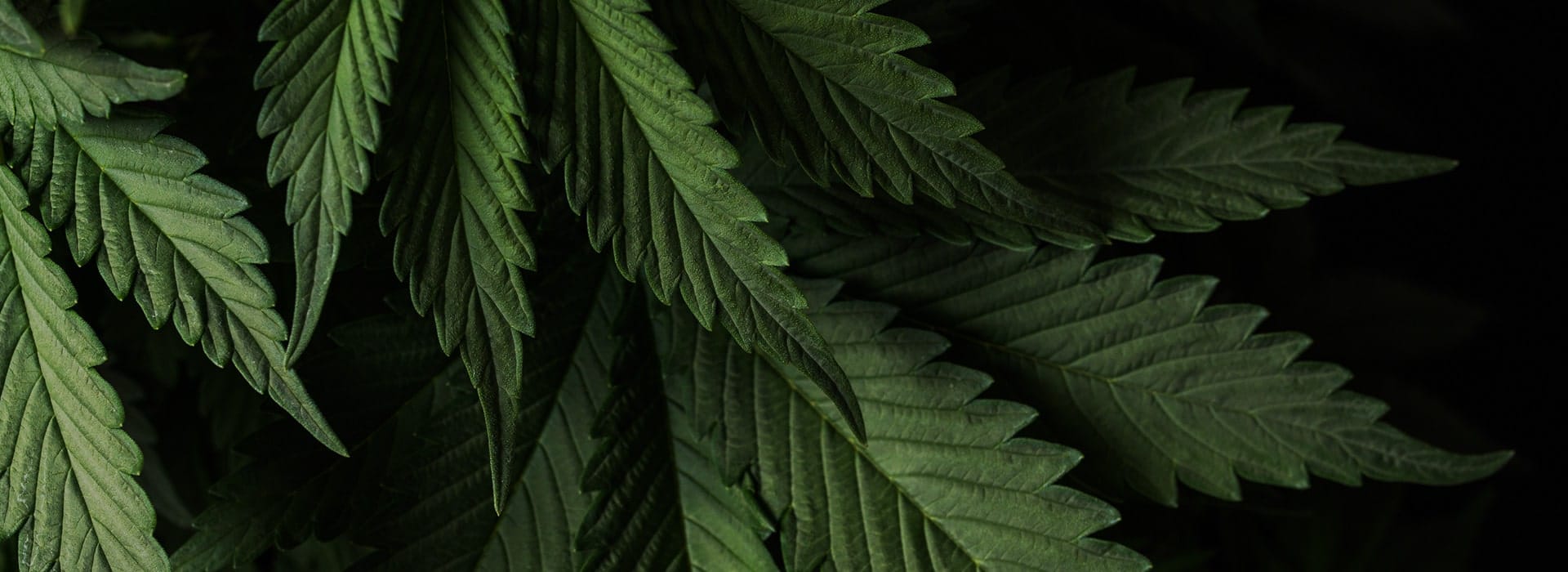
- Narrower leaflets.
- Longer spaces between branches.
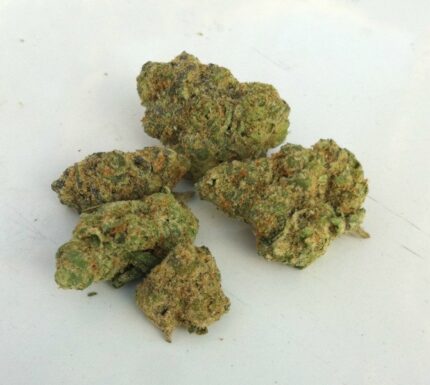
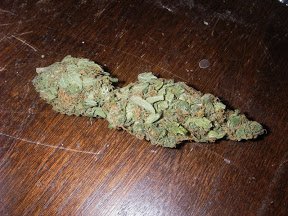
However, extensive crossbreeding means many modern varieties combine characteristics. Appearance alone does not establish cannabinoid content or effects.
Does Sativa Give You Energy?
Sativa products are frequently described as stimulating, creative, or suitable for daytime use. These descriptions are not dependable guarantees.
Cannabis containing THC can affect attention, memory, coordination, and perception. Someone who expects an energizing experience may instead feel anxious, distracted, or sleepy. health.nih.gov
Sativa, Indica, and Hybrid: What Is the Difference?
| Label | Common description | Important limitation |
|---|---|---|
| Sativa | Often associated with stimulation or alertness. | Does not guarantee increased energy or focus. |
| Indica | Often associated with relaxation or sleepiness. | Does not guarantee sedation or symptom relief. |
| Hybrid | Describes mixed ancestry. | Does not indicate a consistent balance of effects. |
These categories offer less information than a product’s measured cannabinoid composition.
THC and CBD Matter More Than the Name
THC is the main intoxicating compound in cannabis. CBD does not produce the same intoxicating effect, although it can cause side effects and interact with medicines.
Neither compound belongs exclusively to sativa or indica. A sativa label does not establish whether a product contains high THC, meaningful CBD, or a particular balance between them. health.nih.gov
Does Sativa Have Medical Benefits?
“Sativa” is not a medical indication. Research supporting a particular cannabinoid medicine does not establish that any product labeled sativa treats the same condition.
Some cannabinoid medicines have approved uses, while evidence for cannabis in chronic pain and certain multiple sclerosis symptoms suggests modest benefits for some patients. Treatment decisions should focus on the specific formulation and evidence, rather than a strain category. www.fda.gov
Possible Health Risks
A sativa label does not remove the risks associated with cannabis. Higher-THC products increase the risk of anxiety, paranoia, dependence, and other mental-health harms. Smoking also exposes the lungs to harmful substances. www.canada.ca
Frequently Asked Questions
Is sativa always stronger than indica?
No. Neither label establishes strength. THC concentration varies between products.
Is sativa non-intoxicating?
No. Products labeled sativa can contain THC and cause intoxication. CBD content does not automatically prevent impairment. health.nih.gov





Does sativa improve concentration?
It should not be presented as a proven concentration aid. THC can impair attention and memory, even when a product is marketed as stimulating. health.nih.gov